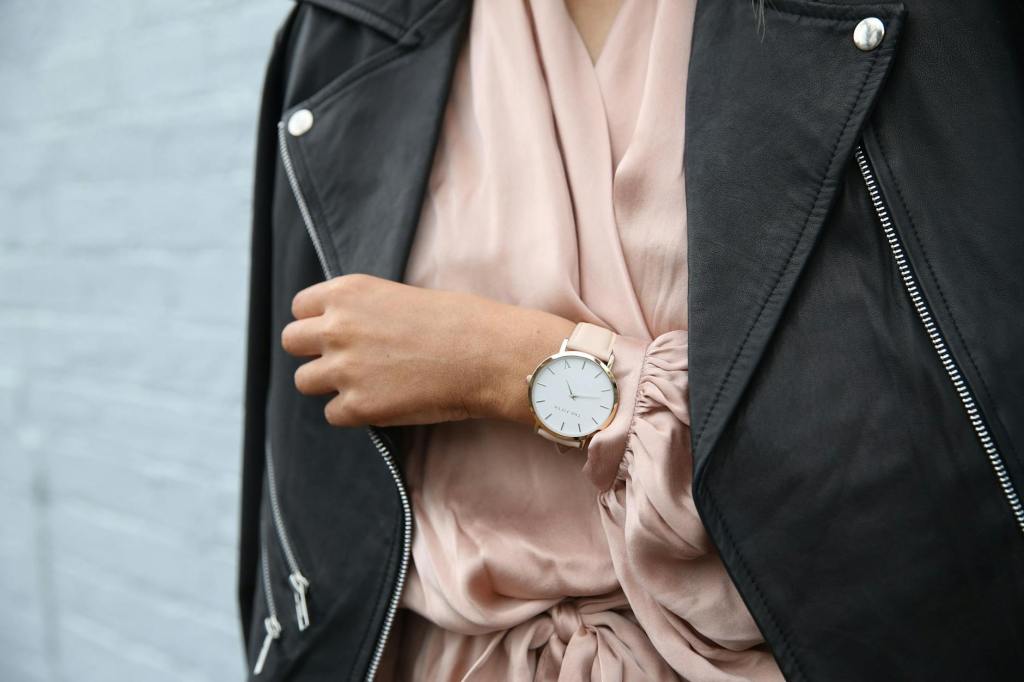
“Fast fashion” is a term that frequently comes up in discussions about fashion, environmental issues, and labor exploitation. According to the Merriam-Webster dictionary, “fast fashion” refers to an approach to the design, creation, and marketing of clothing that emphasizes making fashion trends quickly and cheaply available to consumers. As the name suggests, fast fashion includes clothing and accessories inspired by the latest runway styles.
However, we prefer the definition provided by The Economist: “Trendy clothes at astonishingly low prices. The result is a new and even faster kind of fast fashion, which encourages consumers to buy heaps of items, discard them after a few wears, and then come back for another batch of new outfits.”
Fast fashion thrives on rapid design, distribution, and marketing. Retailers use this model to produce large quantities of clothing and accessories at a lower price point. In their quest for affordability, materials are often sourced from Bangladesh, Indonesia, Pakistan, China, and India, where labor is cheap. Unfortunately, affordability often takes precedence over sustainability and quality. This results in frequent buying and discarding of clothing, contributing to massive textile waste.
According to the Environmental Protection Agency, people in the U.S. dispose of 34 billion pounds of used textiles each year. That’s more than 100 pounds of textile waste per person annually. Shockingly, 66% of these textiles end up in landfills.

Where Did the Term “Fast Fashion” Come From?
The term “fast fashion” was first used by The New York Times in 1989, referring to Zara’s mission of designing garments to be sold in just 15 days. “The latest trend is what we are after,” a Zara executive remarked.
Today, brands like Zara, Forever 21, H&M, Shein, and UNIQLO dominate the fast fashion industry. Unlike the high-quality designer clothing seen on the runways of Paris and Milan, these retailers create garments using cheaper materials and with lower price tags. While these low prices are appealing, the downside is that the fabric quality and stitching are often subpar, leading to clothes that wear out faster. In fact, many of these garments are discarded or donated to charity within just two years of purchase.
If you’ve ever shopped at second-hand or vintage stores, you’ve probably noticed an influx of garments from brands like Shein and Temu. Unfortunately, these clothes often have little life left in them because they wear out so quickly. One of the key problems with fast fashion is its quick expiration date. The fabrics are cheap, the construction is poor, and the garments often suffer from loose threads, unraveling seams, and hems that fall apart after just a few washes.
How Fast Fashion Has Changed Our Buying Habits
If you were an average American in the 1980s, you would have bought only 12 items of clothing per year, using about 7% of your annual income. Today, you would be purchasing 68 items of clothing a year, spending just 3% of your income on these items. We’re spending roughly half as much money, but buying five times more.
In the 1980s, companies disclosed the types of fabrics used in their ads. Clothing collections were typically seasonal, unlike the constant influx of new styles we see today. If garments didn’t sell, the company would face significant losses. Retailers had to ensure their products were desirable or risk losing money.
For example, a two-piece men’s suit at JCPenney in the 1980s would cost $160 (about $600 adjusted for inflation). These suits were made to last. Today, however, you can buy a two-piece suit for under $200, but it’s not built to last. Price point now takes precedence over longevity and quality.

A Brief Look at the Environmental Impact
The environmental costs of fast fashion are staggering. According to the United Nations Conference on Trade and Development (UNCTAD), the fashion industry accounts for 20% of global wastewater and 10% of global carbon emissions, making it one of the largest environmental polluters. According to Business Insider, the fashion industry dumps 85% of its textiles each year. Even washing these clothes releases 500,000 tons of microfibers into the ocean annually—equivalent to 50 billion plastic bottles.
Here are some key environmental impacts of fast fashion:
- Water Consumption
The fashion industry is the second-largest consumer of water globally. It takes around 2,000 gallons of water to produce a single pair of jeans and about 700 gallons to make one cotton shirt. - Microplastics
A 2017 report from the International Union for Conservation of Nature (IUCN) found that around 35% of all microplastics in the ocean come from washing synthetic textiles like polyester, nylon, and acrylic. These fibers can take hundreds of years to biodegrade. - Energy Use
The textile production process relies heavily on petroleum products and releases volatile particulate matter like hydrogen chloride into the atmosphere. Additionally, the use of cotton, which requires pesticides, poses a health risk to farmers and pollutes the environment.

Sustainable Fabrics
When shopping for clothing, look for sustainable fabrics such as:
- Natural or reused silk
- Organic cotton
- Linen
- Hemp
- Lyocell
These fabrics are better for the environment and often offer longer-lasting quality than the synthetic textiles used in fast fashion.
The Social Impact of Fast Fashion
The social impact of fast fashion is just as troubling as its environmental consequences. According to the non-profit REMAKE, 80% of apparel is produced by women aged 18-24. Furthermore, a 2018 report by the U.S. Department of Labor revealed evidence of forced child labor in the fashion industry in countries such as Argentina, Bangladesh, Brazil, China, India, Indonesia, the Philippines, Turkey, and Vietnam. In other words, the rush for quick production and profits often comes at the expense of human rights and labor conditions.
Is Slow Fashion the Answer?
At WhatOuiWear, we believe that slow fashion is part of the solution to the fast fashion problem. We strongly advocate for stopping mindless over-consumption and being selective about our wardrobe purchases. We support manufacturing practices that respect people, the environment, and animals.
In the coming weeks and months, we hope to explore what slow fashion looks like in our daily lives. Join us on this journey toward more mindful, sustainable choices.
 What OUI Wear
Leave a comment