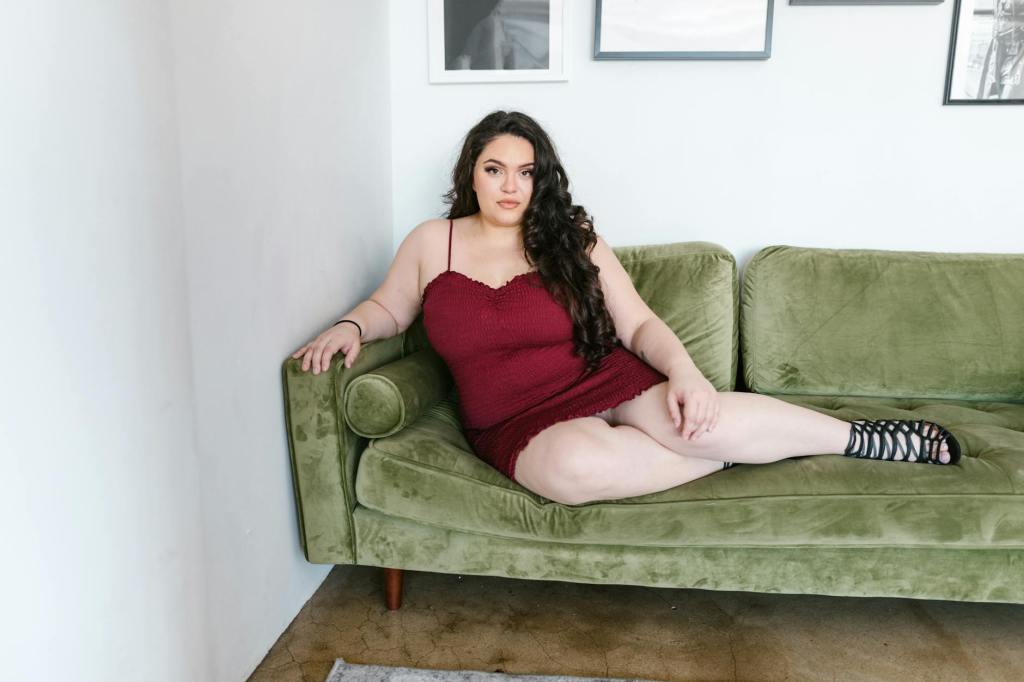
According to the Centers for Disease Control and Prevention (CDC), the average American woman weighs 170 pounds and wears a size 18 to 20 in jeans. Sixty-eight percent of American women are plus-size. Despite being the majority, the fashion industry often treats us as if we’re in the minority. Yet, plus-size women represent over $20 billion in buying power.

Reduced Clothing Options
Before the COVID-19 pandemic, some retailers had begun expanding their plus-size offerings. Unfortunately, the pandemic and subsequent economic downturn slowed or reversed much of that progress. This has made it increasingly difficult—but not impossible—to find fashionable clothing.
Lane Bryant and Catherines are two of the better-known plus-size fashion retailers, both online and in brick-and-mortar stores. Interestingly, they’re owned by the same company. Unfortunately, they frequently offer poorly constructed garments, limited styles, and often unflattering cuts. Natural fibers are rarely part of their collections.

Financial Challenges of Plus Size Persons
Did you know that statistics show thinner people often earn higher wages than their heavier counterparts? On top of that, plus-size clothing typically costs more than standard sizes. Manufacturers often justify this by citing the additional fabric needed. Yet, they don’t seem to lower prices for petite sizes—so that reasoning doesn’t fully hold up. Some argue that higher prices persist simply because plus-size shoppers have fewer options.
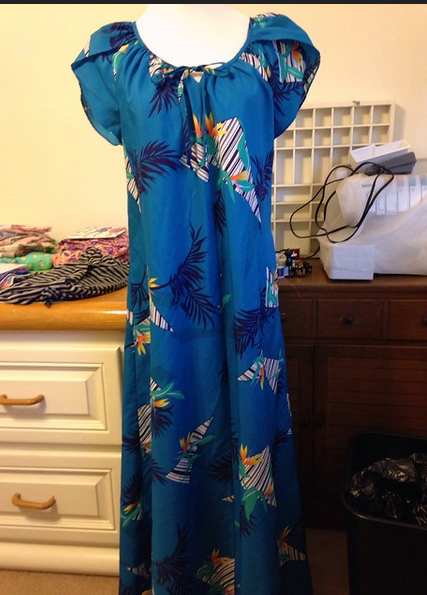
Much of what’s available in plus-size sections ranges from uninspired to downright hideous. We’re often left digging through racks of muumuu-like garments, loud prints designed to “camouflage” so-called problem areas, and styles that do little to flatter real bodies. As a result, many plus-size women—already earning less—end up spending more to feel well-dressed and put together.
Fast fashion isn’t the answer. It falls apart quickly and is often environmentally and ethically unsustainable. For plus-size shoppers, finding well-made clothing at thrift shops or secondhand stores is often even more challenging. Many thrift stores carry limited plus-size selections, and what they do have is often fast fashion or outdated styles.
A better alternative? Gently used marketplaces like eBay, Poshmark, and similar resale platforms. These can offer better access to higher-quality, longer-lasting brands, with consistent sizing that helps take the guesswork out of online shopping. Many items still have plenty of life left in them, and often come at a fraction of the original price.
Alternatives to Fast Fashion
J. Jill
Sizes XS–4X
I’ve had great luck finding J. Jill pieces in excellent condition on eBay, often for much less than retail. I once purchased a brand-new linen shirt with the tags still attached! One great strategy is to visit a J. Jill store in person to try on items, and then search for those exact pieces online at discounted prices. Of course, if your budget allows and you’re not experiencing weight fluctuations, buying new is always an option—but plus-size inventory can be limited, so if you find something you love, it’s often best to grab it when you can.
Universal Standard

Sizes 00–40
Universal Standard offers an amazing program called Fit Liberty. If you purchase from this collection and your size changes within a year, you can exchange the item for a different size—same style, same color. Universal Standard has a semi – annual Fit Liberty sale in which they mark these items down by 40%. Although I have yet to discover linen items in the Fit Liberty sale, I have found some fantastic button downs, which don’t gap at the bust-line. I have also found some great fitting dresses, and jeans, I have several Universal Standard pieces in my wardrobe that have lasted for years and remain wardrobe staples.
Eileen Fisher
Sizes XS–3X
Eileen Fisher garments are the epitome of quality and excellence. The luxurious fabrics, careful stitching, and thoughtful design make these pieces true wardrobe investments. Once you see the craftsmanship, you’ll understand why Eileen Fisher is a go-to brand for so many working women. They also offer a resale program called Renew, where you can occasionally find gently used pieces. While sizing availability varies, it’s worth checking if you’re looking for sustainable luxury on a budget.
WoolX
Although WoolX has had a brick and mortar store in NYC for the past 72 year, they are better known for their offerings online. They carry merino clothing for women’s sizes XS – 3X and men’s sizes S – 2X. WoolX tends to focus mainly on active wear; but they do have a few skirts and dresses.
In case you aren’t familiar with merino clothing, wool isn’t just for the cold seasons of the year. Merino temperature regulating; in other words, it keeps you cool when it is hot and warm when it is cold. Merino is antibacterial, so it helps keep odor away. The fibers that are used for today’s modern merino fabrics are super soft, so it doesn’t feel like the itch wool sweaters of yesterday. It is also light weight, wrinkle resistant, so it great to use for travel. I have a two long sleeved tops from this company and a pair of heavier weight winter pants from this company.
Wool&
Wool& is similar to WoolX in that it sells merino clothing. Unlike WoolX, Wool& has much more than just active wear. It tends to focus more on dresses but also sells pants. Recently it has branched out into denim offerings in the smaller sizes. Should this go over well, they will over their denim in plus sizes. Let’s hold them to their promise, ladies.
You may find you end up preferring a specific company over another. Although Wool& only sells items for women, Wool& Prince is their counter part which sells men’s clothing.
Many people find that Wool& clothing tends to feel slightly softer than WoolX. However, if you are looking for the warmest pants in winter, you may want to look into WoolX.
Each company has their own set of colors which they offer so you may end up going to a different company in order to find a specific color. I will warn you, once you get hooked on merino, you may not want to wear other fibers. Wool& certainly got me hooked on merino, but more on that in another post.
 What OUI Wear
Leave a comment